WalesLink.com
Connecting the World to Wales
WalesLink.com
Connecting the World to Wales

WalesLink.com
Connecting the World to Wales
For many with Welsh roots, the Gower Peninsula is the image of home. It’s the place of childhood holidays and wild, windswept memories. Stretching west from Swansea, this rugged peninsula is a living postcard of Wales at its most breath taking. It combines untamed beauty with cultural depth, inviting visitors to discover wild headlands, sweeping bays, and ancient legends. Designated in 1956 as the UK’s first Area of Outstanding Natural Beauty—now known as a National Landscape—Gower continues to captivate travellers from around the world.
Measuring approximately 30km east to west and 10km north to south, the Gower Peninsula extends westwards from Mumbles for about 19 miles. Within this relatively small area, Gower contains a geological goldmine, presenting a wide variety of scenery due to its mixed geology. Visitors can explore open, wild moors, dramatic limestone cliffs, rolling grasslands, sheltered woodlands, and extensive salt marshes. In fact, 33% of the peninsula is designated as a National Nature Reserve or a Site of Special Scientific Interest, underscoring its outstanding natural environment.
The Gower Peninsula is legendary for its beaches, boasting 19 distinct stretches of sand along over 30 miles of coastline, ranging from vast, sweeping bays to quaint, secluded coves.
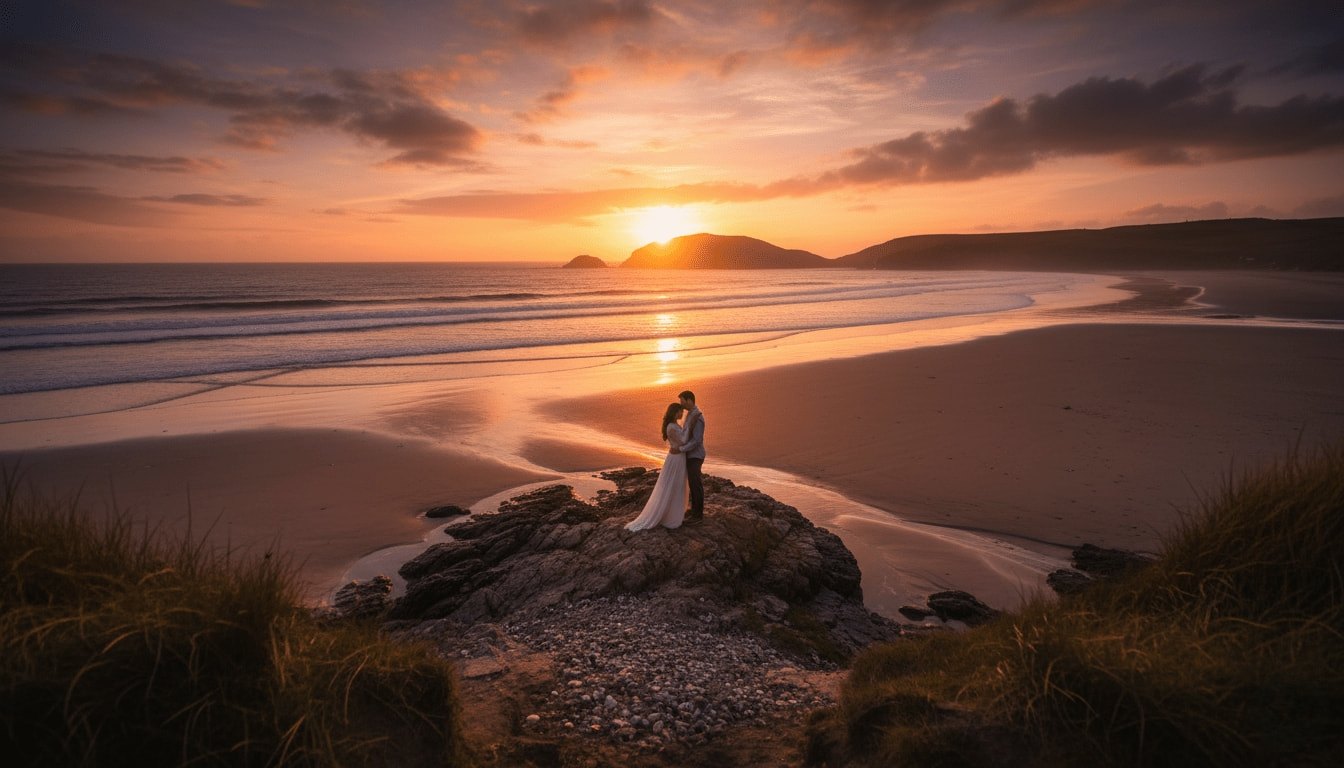
For many visitors, the jewel in Gower’s crown is Rhossili Bay. Frequently voted into the top ten beaches in Britain, and once recognized as the best beach in Europe and among the top 10 in the world, Rhossili is an extraordinary 5km expanse of golden sand. Backed by a high, glacier-formed ridge, the panoramic views from the village are simply breathtaking, making it one of the best places in Wales to watch the sunset.
Protruding dramatically from the southern end of Rhossili Bay is the spectacular Worm’s Head. This iconic headland marks the most westerly point on the Gower peninsula and is famed for its shape, which Vikings believed resembled a ‘Wurme’—a dragon or serpent rising from the sea. The Worm’s Head is a tidal island accessible via a rock causeway. Attempting the challenging walk out to the tip requires careful planning around local tide times, as the causeway is completely cut off at high tide, and trying to swim back to land has resulted in tragic losses in the past. Historically, the island was used for grazing sheep, whose meat was prized for its tenderness resulting from eating the salty grass. Visitors can also spot an Iron Age fort by the cliff edge and the natural rock arch known as Devil’s Bridge.
Rhossili Bay also holds maritime secrets; at low tide, the ocean-stripped oak carcass of the Helvetia shipwreck can still be seen. This Nordic ship, carrying timber from Norway to Swansea, was pushed into the bay by storms in 1887; though the cargo was distributed across the sands, the captain and crew survived.
A must-see vista for walkers and photographers is Three Cliffs Bay. This location is truly unique, featuring a spectacular shoreline of sand dunes, salt marsh, and its signature three limestone cliffs. The winding green valley is overlooked by the ancient ruins of Pennard Castle, creating a truly memorable scene. While undeniably beautiful, visitors should note that strong tides and currents make swimming or watersports inadvisable here.
Not all beaches require a long trek. Langland Bay, easily reachable from Mumbles, is a beautiful spot holding both Blue Flag and Seaside Awards. It is highly accessible, family-friendly, and features smart green-white beach huts. Langland offers a wide range of facilities, including an award-winning café and the Langland’s Brasserie. Just next door is Caswell Bay, another Blue Flag beauty with a sandy shore, which is a great option for families and those looking for safe swimming.
Further along the southern coast lies Oxwich Bay, a 4km sweep of golden sand, celebrated for its gentle sloping shores and calm waves, making it perfect for families. This beach is also home to the renowned Michelin-starred Beach House restaurant.
For those seeking seclusion, Gower offers hidden escapes like Pwll Du (Welsh for Black Pool), a remote sand and shingle beach at the bottom of Bishopston Valley, perfect for escaping the crowds. Nearby is Fall Bay, a secluded cove near Rhossili that is rarely crowded due to its remote location, although visitors must plan around the mid to low tide as the beach is mostly cut off when the tide is high.
The Gower Peninsula is a true treasure trove for history buffs, rich with archaeological evidence spanning from the prehistoric to the industrial periods. With at least 1200 archaeological sites, including caves, Iron Age forts, medieval castles, and neolithic tombs, every walk reveals layers of history.
One of the most significant finds in Western Europe occurred here: the discovery of the ‘Red Lady’ skeleton in Paviland Cave in 1823. Research revealed this ancient human burial to be 33,000 years old, marking it as one of the oldest known ceremonial burials on the continent.
Neolithic history is visible on the Cefn Bryn ridge, the “backbone of the Gower Peninsula,” which is dotted with ancient cairns. Here rests King Arthur’s Stone, a massive neolithic burial chamber. Legend claims that the enormous capstone was thrown there by King Arthur himself, having carried the pebble all the way from Carmarthenshire, where it grew in size.
Despite its compact size, Gower is home to six castles, each in various states of repair. Pennard Castle, dating from the 12th century, clings to the dunes overlooking Three Cliffs Bay. According to folklore, it is a preferred haunt of the Verry Volk, mischievous Gower faeries known for singing and cavorting under the moon.
Near the gateway of Gower, Mumbles, stands Oystermouth Castle, a 12th-century structure built by Henry Beaumont, the first Norman lord of Gower. This site is popular for local legends and is said to be haunted by a White Lady. Further north, overlooking the Loughor Estuary, is the 700-year-old Weobley Castle, where visitors can climb up inside to take in the view.
The western part of Gower holds the Vile, a complex agricultural landscape below Rhossili village. This name derives from an old Gower term for ‘field’. It is a rare, surviving medieval open field system, introduced by the Normans in the 12th century, where land is divided into strips separated by low boundaries.
Other sites of intrigue include Culver Hole, a peculiar cliff structure near Port Eynon, thought to have been a 13th or 14th-century dovecote that was later used as a stronghold by notorious local gangster John Lucas. Meanwhile, the secluded Pwll Du bay was famously a haven for smuggling, with lingering tales of hidden caves and ghostly figures.
For those looking to stretch their legs, walking in Gower is immensely popular, offering nearly 400 miles’ worth of rights of way. Gower is home to some of the most beautiful sections of the Wales Coast Path, the first path to wrap around the coastal border of an entire nation. The Gower Coast Path itself loops the peninsula over 74km, making for an excellent multi-day adventure or simply manageable day hikes.
One of the most essential walks is the hike out to Worm’s Head. This out-and-back route is only possible for approximately 2.5 hours either side of low tide and involves crossing rocky and unstable terrain, making it best suited for sure-footed walkers. The reward is a view of one of Wales’ most impressive beaches from a completely different perspective.
For a walk offering a “little dabble of everything,” the loop combining Tor Bay, Cefn Bryn, and Three Cliffs Bay is highly recommended. This moderate 11km walk takes hikers through sandy woodland burrows, along rugged coastline, and up to the summit of Cefn Bryn, the second highest point on the Gower, which provides magnificent views.
Other fantastic options include:
Beyond hiking, Gower is a prime location for water-based thrills. With some of the most awesome waves in Britain, sandy Llangennith has been popular among surfers for decades. True adrenaline junkies can also try coasteering, which involves climbing the cliffs and leaping into the waves below—an activity not for the faint-hearted, which should always be done with a professional provider. Visitors can also enjoy sea kayaking, stand-up paddleboarding, or take a boat tour from Oxwich to spot seals and dolphins.
The Gower Peninsula isn’t just about stunning landscapes; it’s fast becoming the perfect destination for foodies. Its rich farming heritage, thriving coastal communities, and abundance of independent eateries provide a “true flavour of Wales”. The emphasis is firmly on local produce. Visitors can sample regional delicacies such as succulent Gower salt marsh lamb (sheep graze the tidal pastures below Weobley Castle ramparts), locally caught crab, Penclawdd Cockles from the Loughor estuary, and the famous Laverbread (made from seaweed).
This natural bounty also inspires local artisans. The area’s unique botanicals are the heart of award-winning spirits from producers like The Gower Gin Company, who forage coastal ingredients just metres from the shore.
The culinary options range from cosy pubs perfect after a long walk to Michelin-starred dining experiences.
For those seeking a meal with serious wow factor, Beach House at Oxwich is a must-book. Set directly on Oxwich Beach, this Michelin-starred spot specializes in local, seasonal ingredients and contemporary Welsh cooking. Its setting is unbeatable, with rugged coastline views and a cosy dining room. Diners can opt for a weekday special lunch or go all out for a three-, six-, or eight-course tasting menu, featuring dishes like Gower salt marsh lamb and foraged coastal greens.
Another spot where the view is as much a star as the food is Langland’s Brasserie. Perched right on Langland Bay, it offers an incredible panorama across the beach. Seafood is the star, and a popular recommendation is the pot of mussels.
If you’ve completed the rigorous climb up Cefn Bryn, a hearty meal at The King Arthur Hotel in Reynoldston is the perfect remedy. This traditional country pub is a firm favourite, known for its homely food and welcoming atmosphere, and its Sunday lunch is the stuff of local legend.
Meanwhile, The Valley Hotel in Bishopston is a proper Gower village pub with “extra flair,” offering fine dining pub fare. While serving classics like fish and chips, they feature a rotating specials board with modern delights such as Oaxaca chilli and loaded bao buns, alongside locally sourced seafood.
For unmatched panoramic eating, The View at Rhossili is difficult to top. Perched above the sweep of Rhossili Bay, this light, bright café, bar, and kitchen offers stunning seascape views from its large picture windows and sun-trap terrace. It’s an ideal place to start the day, perhaps with a Brecwast Cymreig (Welsh Breakfast) featuring cockles, laverbread, and smoked bacon, before walking along the Worm’s Head.
Finally, The Rake and Riddle in Penclawdd presents a unique concept, combining three local favourite restaurants under one roof. Diners can choose from: The Welsh House (serving classics with a Welsh twist, like burgers with Welsh cheese and locally produced whisky sauce); Salvatore’s Pizza (offering a wide range of traditional and interesting flavours); and Cattle & Co Smokehouse & Saloon (serving American smokehouse fare, including smoked brisket and Texas toast). This variety makes it perfect for families or romantic dinners alike.
The natural starting point for any Gower adventure is Mumbles, often referred to as the gateway to the peninsula. This cosy, cosmopolitan area offers independent shops and cafés, and is famous for its world-class ice cream, particularly Joe’s, which has been serving scoops since 1898. While there, visitors can stroll down the Victorian pier or visit the historic Oystermouth Castle. Mumbles also provides easy access to the coast path, leading towards Langland Bay and Caswell Bay.
The Gower Peninsula’s compact proportions and accessibility mean that much can be explored over a single weekend. While the bus network is fairly comprehensive on main routes (like Swansea to Rhossili), having a car provides flexibility for reaching smaller villages and remote beaches.
Whether you seek rugged, plunging limestone cliffs, hidden caves concealing millennia of history, or a cosy pub serving legendary Sunday roasts, Gower offers a world away from the city—a rural idyll waiting to be discovered. This ancient, stunning, and flavourful coastal landscape truly offers something to suit every appetite and adventure seeker.
From coastal cottages in Port Eynon to family homes near Rhossili, find the perfect base to explore everything the peninsula has to offer.
[Browse Holiday Cottages in the Gower]