WalesLink.com
Connecting the World to Wales
WalesLink.com
Connecting the World to Wales

WalesLink.com
Connecting the World to Wales
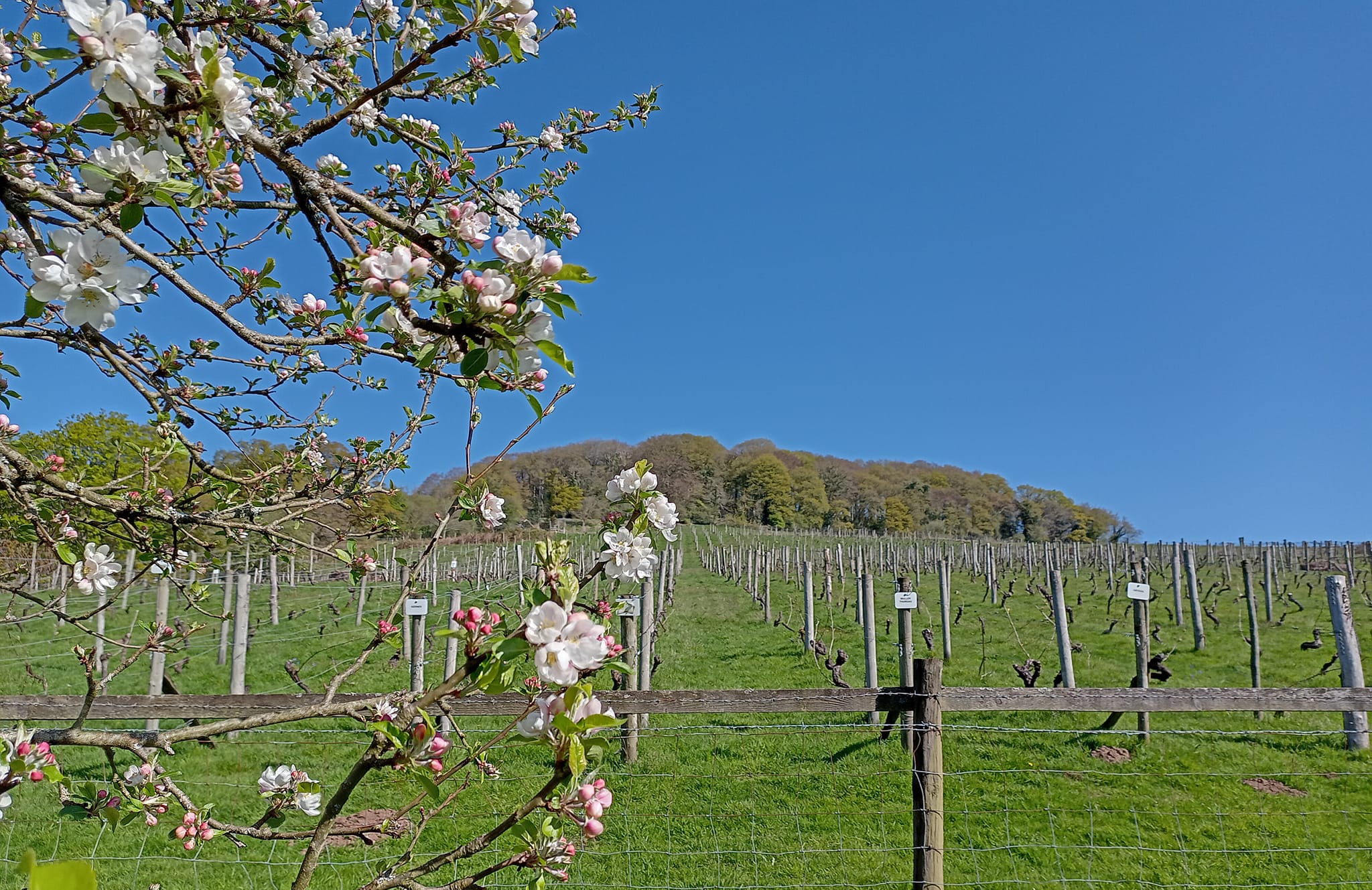
In the blossoming world of Welsh white wine, the story of the Bacchus grape in Wales has become one of incredible success. Few varieties have sparked as much enthusiasm as this aromatic grape, a variety that thrives here to produce vibrant, award-winning wines and is defining a new era of British viticulture.
Step into the vibrant, flourishing world of Welsh wine, where passionate producers are crafting liquid poetry that truly speaks of our incredible landscape. Among the stars of this burgeoning scene, the Bacchus grape shines brightly as a genuine superstar—an emblem of quality and innovation that has found a remarkable home in Wales. Here, dedicated winemakers bottle the very essence of our unique terroir, capturing the spirit of the land in every vibrant drop.
Far from being just another grape, Bacchus grape in Wales embodies a spirit of innovation, resilience, and a deep connection to the land. It yields wines as expressive and lively as the country itself, setting a new benchmark in British viticulture and offering a tantalizing glimpse of Welsh wine’s promising future.
The Bacchus grape in Wales has a fascinating origin story that is key to understanding its success. Developed in 1933 by Dr. Heinrich Birk at the Geisenheim Grape Breeding Institute in Germany, Bacchus is a hybrid of Müller-Thurgau and Riesling crossed with Silvaner. This lineage endows the grape with remarkable aromatic qualities and adaptability.
While initially cultivated mainly in Germany, Bacchus struggled to find a definitive identity in its homeland, often overshadowed by Riesling. However, when introduced to the cooler climates of the UK, Bacchus thrived. The UK’s extended daylight hours during the growing season and moderate temperatures allow Bacchus to fully ripen while maintaining fresh acidity and complex aromatics.
Wales, with its unique terroir and climate conditions, has emerged as a particularly exceptional place for Bacchus cultivation, with winemakers embracing its potential to create vibrant, expressive wines that capture the character of the land.
What truly sets Welsh Bacchus apart is the terroir—the intricate interplay of climate, soil, topography, and human skill. Welsh vineyards are mostly situated on steep south or southeast-facing slopes that maximize sun exposure. Many lie above the 49.9 degrees north latitude, benefiting from long summer days that encourage the grape to develop intense aromatic compounds.
The Welsh climate is famously mild but unpredictable. Summer temperatures rarely soar above 30°C, and the cool nights create a high diurnal temperature range—ideal conditions for preserving acidity and flavor balance in the grapes. This combination encourages the development of bright, fresh, and layered aromas.
Soil types vary across the region but tend to be well-drained, often with clay, sandstone, and limestone components. These soil characteristics influence vine vigor and grape quality, contributing to the unique minerality and freshness found in Welsh Bacchus wines.
Viticulture practices in Wales are evolving rapidly, with growers applying traditional knowledge alongside innovative techniques to optimize the Bacchus grape in Wales for quality. Vineyards use canopy management to ensure sufficient sunlight reaches the grapes, while controlling vine growth to balance yield and concentration.
Because of the cooler climate, yields tend to be lower, which ironically contributes to better grape quality. Growers are highly focused on sustainable farming practices, often avoiding chemical interventions and encouraging biodiversity within and around the vineyards.
Frost risk is a challenge, as it is in many cool climate regions, but Welsh vineyards mitigate this with careful site selection, frost protection methods like wind machines or heaters, and planting on slopes where cold air can drain away. Such meticulous care ensures healthy, vibrant Bacchus grapes ripe for harvest.
Once harvested, the Bacchus grape’s potential is carefully nurtured in the winery. Welsh winemakers tend to favour gentle pressing techniques to extract clean juice without harsh phenolics.
Fermentation often takes place at controlled low temperatures in stainless steel tanks to preserve the grape’s delicate aromatics. Some winemakers experiment with wild yeasts for added complexity, while others opt for cultured yeasts for greater consistency.
While the hallmark of Bacchus grape in Wales is to produce a fresh, crisp dry white wine, there is a growing trend toward experimenting with oak ageing and lees stirring (sur lie) to add texture and richness without overwhelming the grape’s natural vibrancy. Barrel fermentation or maturation in neutral oak barrels lends subtle layers of complexity, integrating tropical fruit and honeyed notes.
Sparkling wine production with the Bacchus grape in Wales is an exciting frontier. Though still limited in volume, Welsh producers are exploring Bacchus in traditional method sparkling blends, which can add aromatic intensity and freshness to the wine’s mousse and palate.
Pouring a glass of Welsh Bacchus is like unlocking a treasure chest of vibrant aromas and flavours. The nose typically bursts with elderflower, fresh herbs, and ripe green apple, with hints of gooseberry and lime zest. Some bottles reveal subtle floral notes—honeysuckle, jasmine, or white blossom—while others hint at tropical fruits such as lychee or passion fruit, especially with some oak influence.
On the palate, expect a refreshing crispness underpinned by medium body and balanced acidity. The flavour profile is lively, with green apple, lemon peel, and elderflower complemented by a herbal undertone reminiscent of freshly cut grass or basil. Compared to Sauvignon Blanc, the Bacchus grape in Wales is less sharp but more rounded, making it appealing to a wide audience.
The finish is often clean and refreshing, leaving a lingering note of citrus and subtle minerality, making the Bacchus grape in Wales more distinct, inviting you to take another sip.
Tintern Parva Vineyard, nestled in the picturesque landscape of Tintern, Monmouthshire, stands as a beacon of excellence for what the Bacchus grape in Wales can achieve. Their commitment to its potential shines through an impressive record of accolades that highlight their mastery of this variety.
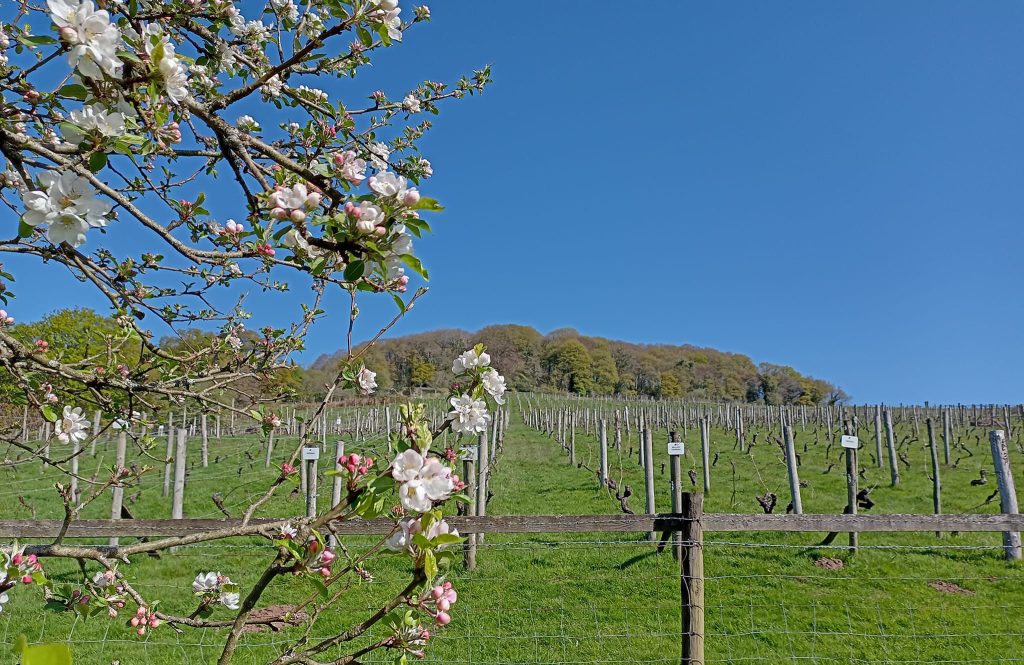
In November 2023, their Tintern Parva Bacchus 2019 dry white wine clinched the coveted gold medal at the Welsh National Wine Competition, outshining 17 other white wines to claim “Best in Class.” This was not an isolated achievement—two years earlier, their Tintern Parva Bacchus blend from 2020 earned a silver award. Such consistent recognition speaks volumes about their meticulous approach to viticulture and winemaking.
Tintern Parva’s success epitomizes how Welsh vineyards leverage their distinctive terroir. The long daylight hours, temperate climate, and cool nights ensure grapes with intense aromatics and refreshing acidity. Their Bacchus sings with bright, lively notes and a crisp finish that perfectly encapsulates the spirit of Wales.
Though the prompt doesn’t provide extensive details on other vineyards like White Castle or Llanerch, it’s worth noting that Welsh wine is on the rise broadly. Many emerging vineyards across Wales are experimenting with Bacchus alongside other grape varieties, helping diversify and enrich the local wine culture.
Each vineyard offers its own unique expression of Bacchus, influenced by microclimates, soil variations, and winemaking philosophy. This diversity strengthens Welsh wine’s reputation as a dynamic and exciting category within the global wine scene.
While the Bacchus grape in Wales excels in producing crisp, aromatic still white wines, its versatility hasn’t gone unnoticed. Some adventurous Welsh winemakers are experimenting with sparkling wines from Bacchus, even though the Welsh PDO for Quality Sparkling Wine currently emphasizes classic varieties like Chardonnay and Pinot Noir.
This willingness to innovate highlights the forward-thinking nature of Welsh producers and speaks to Bacchus’s adaptable character. As the industry evolves, we may well see more exciting expressions of Bacchus that push boundaries and broaden the spectrum of Welsh wine styles.
It’s fascinating to compare Welsh Bacchus with expressions from other countries. German Bacchus wines, for example, tend to be softer with lower acidity and are often blended or used as table wines. By contrast, Welsh Bacchus benefits from higher acidity and more concentrated aromatics thanks to the northern latitude and temperate maritime climate.
English Bacchus wines share many similarities with Welsh ones due to geographic and climatic proximity but may differ in soil types and specific winemaking choices. Welsh Bacchus, however, tends to display a softer, more rounded flavour profile with a distinctive herbal and floral aroma that reflects the Welsh landscape’s unique character.
This regional specificity is what makes Welsh Bacchus so intriguing and why it’s quickly gaining attention beyond UK borders.
Welsh wine is more than just bottles on a shelf; it’s a cultural movement embracing community, craftsmanship, and celebration of place. Vineyards like Tintern Parva and Foxbury Fields actively promote wine tourism, inviting visitors to immerse themselves in the full Bacchus journey—from walking the vines to tasting the finished wines in atmospheric settings.
This hands-on experience deepens appreciation for the wine and the hard work behind it. It also fosters a sense of connection between growers, winemakers, and consumers, strengthening the local economy and culture.
Wine festivals, vineyard tours, and tastings are growing in popularity across Wales, making Bacchus not just a grape but a vibrant ambassador for Welsh heritage and innovation.
The secret to Bacchus’s triumph in Wales lies not just in the grape but in the beautiful interplay between vine and land. Bacchus thrives in cooler regions with well-drained soils, a trait that perfectly matches Welsh conditions. The cooler climate, with fewer hot days and significant diurnal temperature variation, ensures grapes with excellent acidity and flavor concentration.
Compared to some German Bacchus wines—which often have lower acidity and are used more for blending—Welsh Bacchus offers a softer, more rounded flavour profile while maintaining the aromatic intensity reminiscent of Sauvignon Blanc. The distinct herbal and floral aromas found in Welsh Bacchus are a direct reflection of the region’s long daylight hours and moderate temperatures.
In essence, every bottle of Welsh Bacchus is a genuine expression of place—a taste of Wales captured in liquid form.
The Bacchus grape was first developed in Germany in 1933, but it has truly found a new, thriving home here in the UK, and particularly in Wales. It has become a poster grape for the UK wine industry, thanks to its ability to deliver high-quality wines in the cooler climate.
Wales, with its vineyards above 49.9 degrees north, benefits from long daylight hours during the growing season. This extended sunshine is crucial for developing the grape’s intense aromatic flavors. The temperate Welsh climate—with few summer days above 30°C and a high diurnal temperature range—helps preserve Bacchus’s crisp acidity and ensures a refreshing finish.
Its distinctive character—crisp acidity, medium body, and notes of green apple, lemon, elderflower, and herbaceous hints—make Welsh Bacchus uniquely appealing. It offers a softer, more rounded profile than Sauvignon Blanc while maintaining a similarly expressive aromatic character.
Welsh wine is experiencing a remarkable boom, with vineyard acreage growing rapidly. Over the last five years, land under vine across Great Britain increased by 74%, and Wales now boasts more than 70 hectares dedicated to viticulture.
This growth isn’t just about size but also a relentless focus on quality and innovation. Bacchus perfectly embodies this spirit. Its adaptability to cooler, well-drained soils allows winemakers to craft exceptional still white wines, while its versatility inspires experimentation with sparkling styles.
Tintern Parva Vineyard’s consistent award-winning Bacchus wines showcase the heights Welsh producers are reaching. This success is a clear indicator of the grape’s potential, and it’s only a matter of time before more Welsh vineyards are shining on the world stage with their own unique Bacchus wines.
Bacchus is more than a grape—it’s a testament to Welsh resilience, ambition, and the spirit of the land. Choosing Welsh Bacchus means savoring distinctive, captivating wines while supporting local growers and sustainable viticulture.
Why wait? Embrace the vibrant spirit of Wales in every glass. Seek out Welsh Bacchus at your local wine merchant or online, or better yet, visit a vineyard and taste the terroir firsthand. Discover why Welsh Bacchus is truly a shining star on the UK wine scene. Your palate—and Wales—will thank you!
The story of the Bacchus grape Wales is cultivating is one of success and incredible potential. Its ability to thrive in our unique climate while producing aromatic, high-quality white wines makes it a true star of the modern Welsh wine industry. As more vineyards plant and perfect their techniques with this grape, the future of Welsh white wine looks incredibly bright and delicious.