WalesLink.com
Connecting the World to Wales
WalesLink.com
Connecting the World to Wales

WalesLink.com
Connecting the World to Wales
Deep in the verdant heart of Radnorshire, Mid-Wales, a story is unfolding—one of ancient legacies, modern innovation, and an unwavering belief in the magic of a rare event. It’s the story of Blue Moon Wines, a vineyard born not of grand ambition, but of a practical problem and a spark of inspired curiosity. For wine buffs accustomed to the established regions of Burgundy or Bordeaux, and for those keen observers of the burgeoning Welsh business landscape, this narrative offers a refreshing glimpse into a quiet revolution that is reshaping the perception of viticulture in the British Isles.
The very name, “Blue Moon,” whispers of rarity and special moments. It evokes a celestial phenomenon that graces our skies only every few years, and it is this unique, infrequent beauty that the founders believe they capture in every single bottle.
Imagine a landscape, beautiful yet unforgiving. A steep, southwest-facing bank, stubbornly cloaked in a dense tapestry of bracken and gorse. This was the initial canvas for the Blue Moon Wines story, a piece of land in Radnorshire that stubbornly refused to yield to conventional agriculture. Site tests confirmed what the land itself proclaimed: it was classified as ‘marginal,’ offering little potential for profit due to its poor soil and other undesirable characteristics. For many, this would be a dead end. But for the visionaries behind Blue Moon Wines, it became an unexpected invitation to experiment. “Why not experiment with growing vines?” they wondered, a simple question that would set in motion a profound transformation.
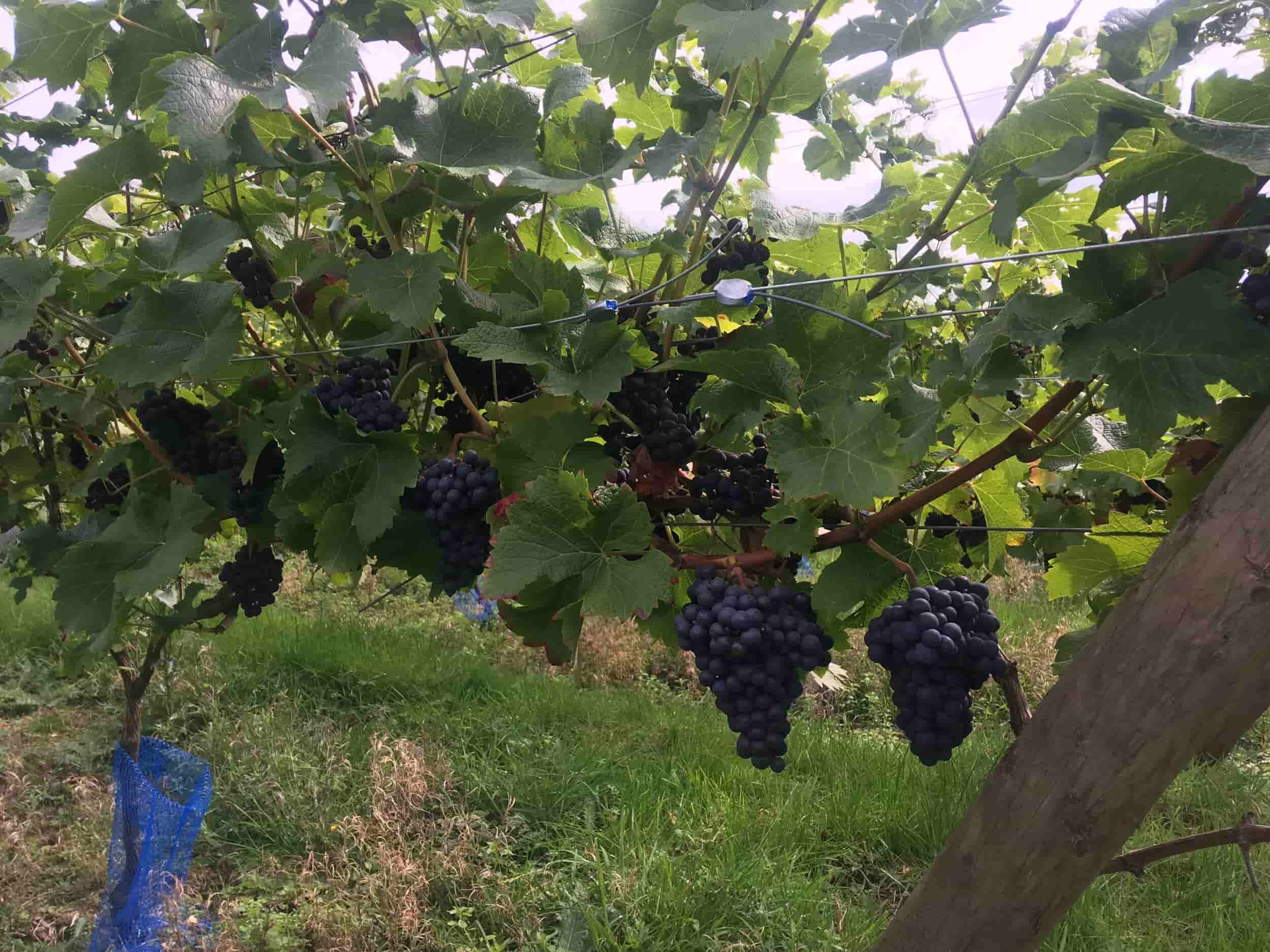
This wasn’t a venture without its formidable challenges. In 2014, the first 1200 vines were carefully planted, comprising two distinct varieties: Solaris for white wines, and Cabernet Cortis for darker styles. The initial enthusiasm was soon tempered by the harsh realities of nature. A crucial weekend away turned into a significant setback when slugs and rabbits wreaked havoc on the young vineyard, forcing the team to replace approximately 20% of their precious crop. It was a steep learning curve, a testament to the perseverance required when coaxing life from marginal land, but lessons were learned, practices were improved, and the vineyard was better protected.
The tireless efforts eventually bore fruit. After navigating these early hurdles, 2017 marked the year of their first crop, a moment of immense satisfaction. This initial success spurred further expansion, and by 2018, Blue Moon Wines had produced its first successful commercial crop of red, white, and rosé wines. From a seemingly unproductive patch of land, a vibrant, flourishing vineyard of over 2200 vines now stands as a testament to dedication and an innovative spirit.
What lends an even deeper historical resonance to the Blue Moon Wines narrative is the surprising link to an ancient past. Local history groups in Mid-Wales have unearthed intriguing reports suggesting that as far back as AD 48, merely five years after their conquest of Britain, the Romans were supposedly cultivating their own vineyards in the very same area. And in a remarkable twist of fate, these Roman vintners are said to have grown grape varieties that include Solaris, Cabernet Cortis, and even Pinot Noir—varieties that are now central to the modern Welsh wine story.
This historical echo is more than just a fascinating footnote; it provides a profound sense of continuity. Blue Moon Wines sees itself as directly continuing this ancient Roman legacy, reframing the current Welsh wine movement not as a novel experiment, but as a vibrant rediscovery of a long-dormant heritage.
The essence of Blue Moon Wines is deeply intertwined with its local culture. The name “Blue Moon” itself, while referencing a rare celestial event, also draws inspiration from the lives and heritage of the people behind the wine. It’s a conscious decision to emphasise their Radnorshire culture, celebrating their love for this “magical and beautiful county” by giving it significant prominence on their bottles.
The design of their bottles further reinforces this personal touch. A subtle yet endearing cat silhouette graces the label, depicting one of their beloved felines, Dylan or Seren, gazing up at the Blue Moon. This isn’t merely decorative; it’s a “subtle nod to all the beautiful animals they share their lives with,” including their sheepdogs Joe and Bella, their chickens, and their horse, Kyla. These personal details transform the wine from a mere product into a story.
While Blue Moon Wines started with Solaris and Cabernet Cortis, their commitment to crafting a diverse and quality range is evident in their offerings of Still Red Wine, Still Rosé Wine, and Still White Wine.
Their rosé wine, for instance, presents a fascinating profile with an alcohol content of 12.0% abv:
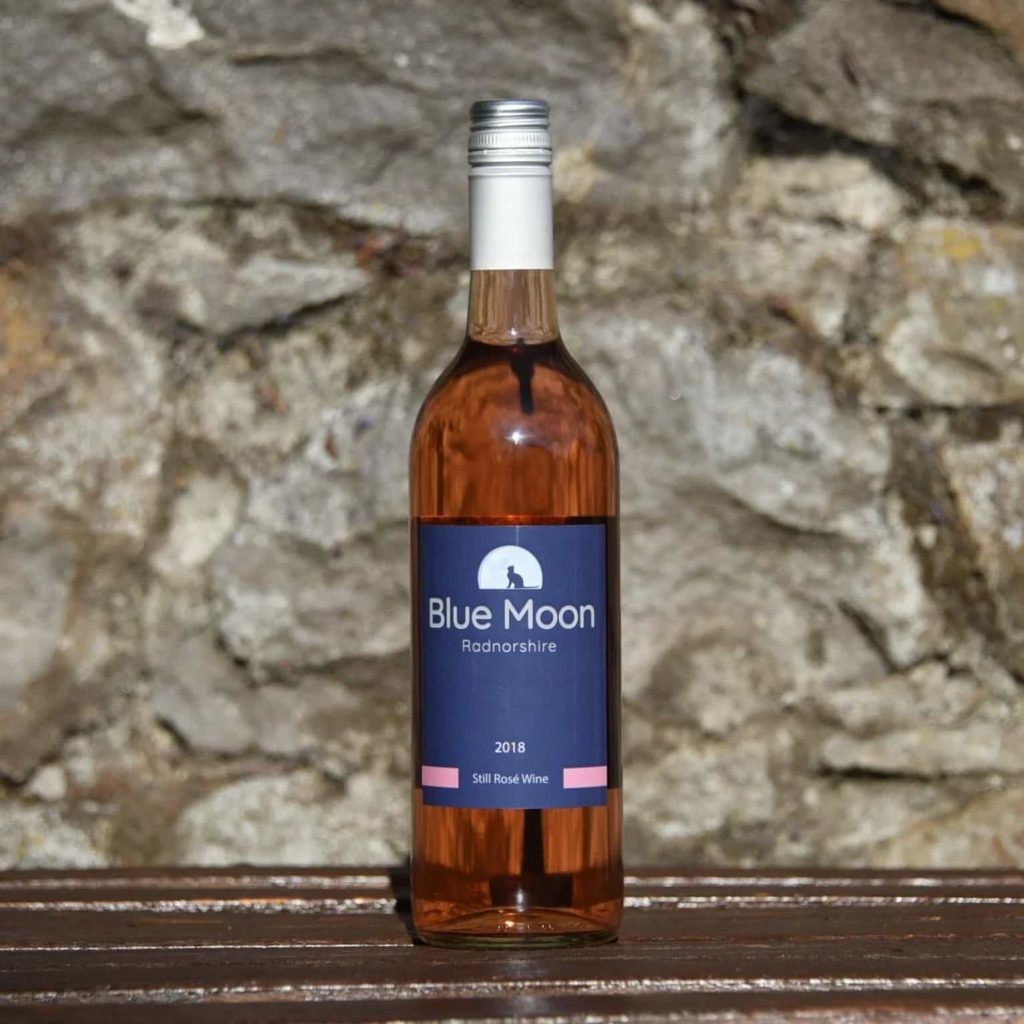
Blue Moon’s Rosé Wine – a taste of the Sunset Over the Radnor Hills.
Pour a glass of our Rosé and experience the quiet beauty of Mid-Wales. With its beautiful colour, reminiscent of rose hip syrup, this wine opens with aromas of wild berries and crème de cassis. It’s a uniquely savoury rosé, perfect for sipping as the sun goes down or pairing with a hearty meal. This isn’t just a bottle of wine; it’s the Blue Moon Wine story, uncorked.
Blue Moon Wines is a shining example within a much larger, dynamic story: the burgeoning Welsh wine industry. In December 2022, a groundbreaking strategy was launched, aiming to increase the industry’s value tenfold to a staggering £100 million by 2035. This isn’t just wishful thinking; it’s a plan built on tangible success. In 2021 alone, Welsh and English wine sales soared by 31.3% to 9.3 million bottles. The sheer scale of growth is impressive, with now over 59 vineyards registered with the Food Standards Agency Wales.
Industry experts even draw parallels to New Zealand, a country that transformed from a small-scale producer to an internationally renowned wine region in just 30 years, overcoming similar climate and landscape challenges. This comparison underscores the immense potential that lies within the Welsh hills.
While Blue Moon Wines doesn’t currently open its doors for public tours, it has found creative ways to bring its story to wine lovers near and far. Through its website, local stockists, and regional food and wine events, Blue Moon shares the flavours and heritage of Radnorshire with a growing audience.
As we look across the panorama of Welsh viticulture, it’s clear that Blue Moon Wines is not just producing wine; it’s crafting a narrative that speaks to resilience, heritage, and the exciting potential of a region long overlooked. From the initial struggle to transform marginal land into a flourishing vineyard, to the rediscovery of an ancient Roman legacy, and the deep connection to Radnorshire culture—every bottle tells a story.
So, the next time you seek a wine that offers more than just a drink—a wine with a rich history, a compelling origin, and a taste of a burgeoning industry—consider lifting a glass of Blue Moon. You might just find yourself tasting the magic of a rare event, a piece of Welsh heritage, and the promise of a sparkling future.