WalesLink.com
Connecting the World to Wales
WalesLink.com
Connecting the World to Wales

WalesLink.com
Connecting the World to Wales
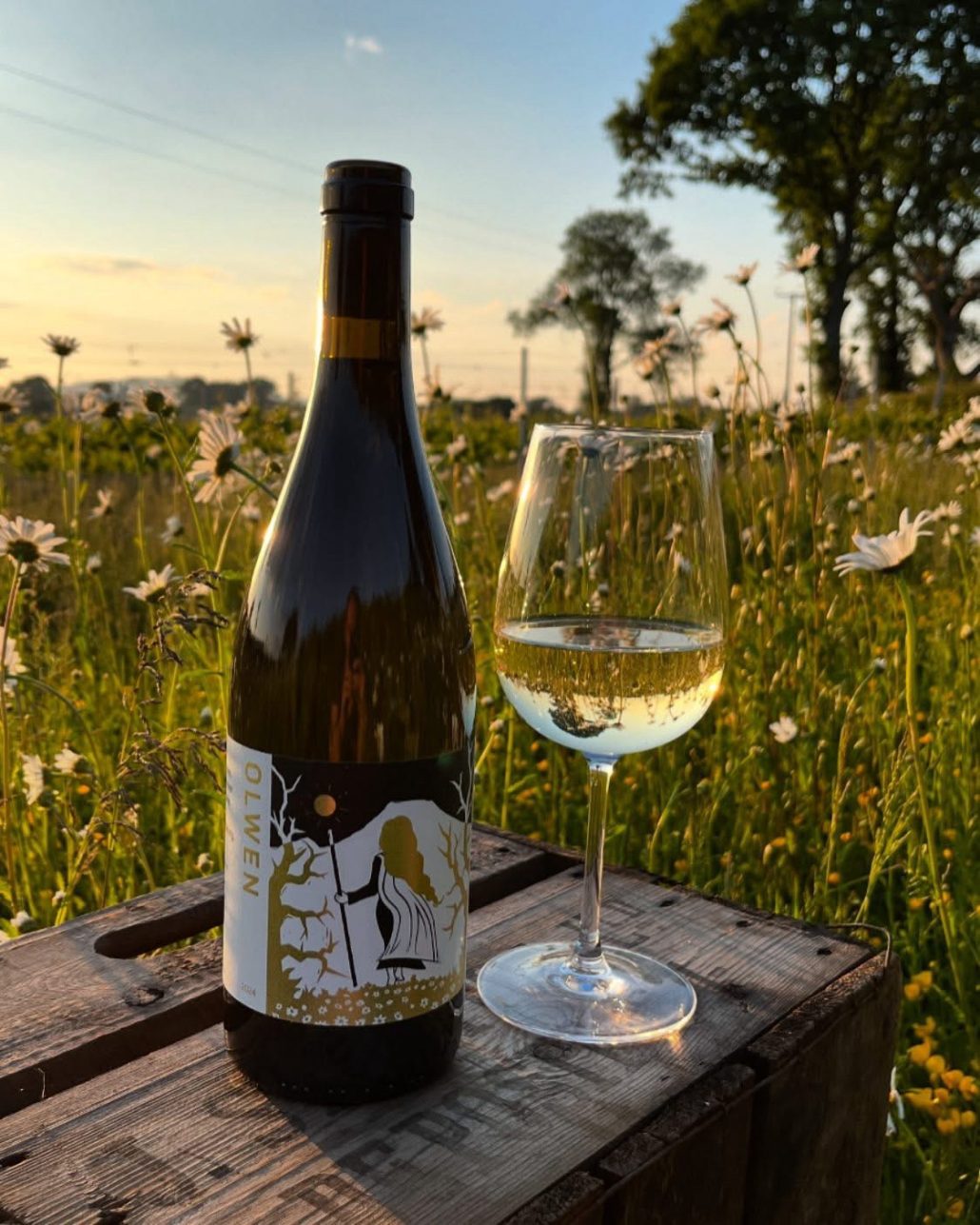

Welcome, fellow wine enthusiasts, to a journey into the heart of Welsh viticulture, where ancient landscapes meet a vibrant, quiet revolution in winemaking. If you’ve been curious about the burgeoning wine scene in Wales, or perhaps stumbled upon a bottle of Welsh wine that piqued your interest, you’re in for a treat. Today, we step into the enchanting world of The Dell Vineyard, a small, family-run gem nestled in Monmouthshire. Their passionate endeavour is a perfect microcosm of the exciting developments reshaping Welsh wine.
Lucy and Dan Alford’s story begins not in Wales, but on a six-month honeymoon through the Southern Hemisphere in 2013. There, they fell in love with wine and dreamt—perhaps whimsically at the time—of one day owning a vineyard. Fast forward to 2021, amidst the challenges of the COVID-19 pandemic, Lucy, an ICU nurse, found herself at a turning point. The vineyard dream, long tucked away for retirement, suddenly became an urgent calling.
They returned to Monmouthshire in 2021—where they had both grown up—after living in Bristol for 17 years since their university days. Inspired by the momentum in the UK wine industry, they made a bold decision: not to wait another decade. “It’s a really exciting time right now,” Lucy reflected, and with that, they leapt.
Within weeks of deciding to pursue winemaking, Lucy and Dan leased the Pen-Y-Clawdd vineyard, featuring established vines over 20 years old—Pinot Noir, Seyval Blanc, and Phoenix—giving them a head start with their first wines. At the same time, they began preparing their own site: a piece of land known as The Dell, part of Dan’s family heritage since the late 1800s.
The Dell Vineyard’s tranquil name reflects the landscape—a grassy hollow flanked by trees with the seasonal stream Nant y Wilcae running past. In May 2022, they planted 8,000 vines—Pinot Noir and Solaris—followed by Souvignier Gris, Cabernet Noir, and Pinot Meunier in 2024. Together with Pen-Y-Clawdd, The Dell now hosts nearly 10,000 vines across six acres. This isn’t just a vineyard—it’s a living family legacy.
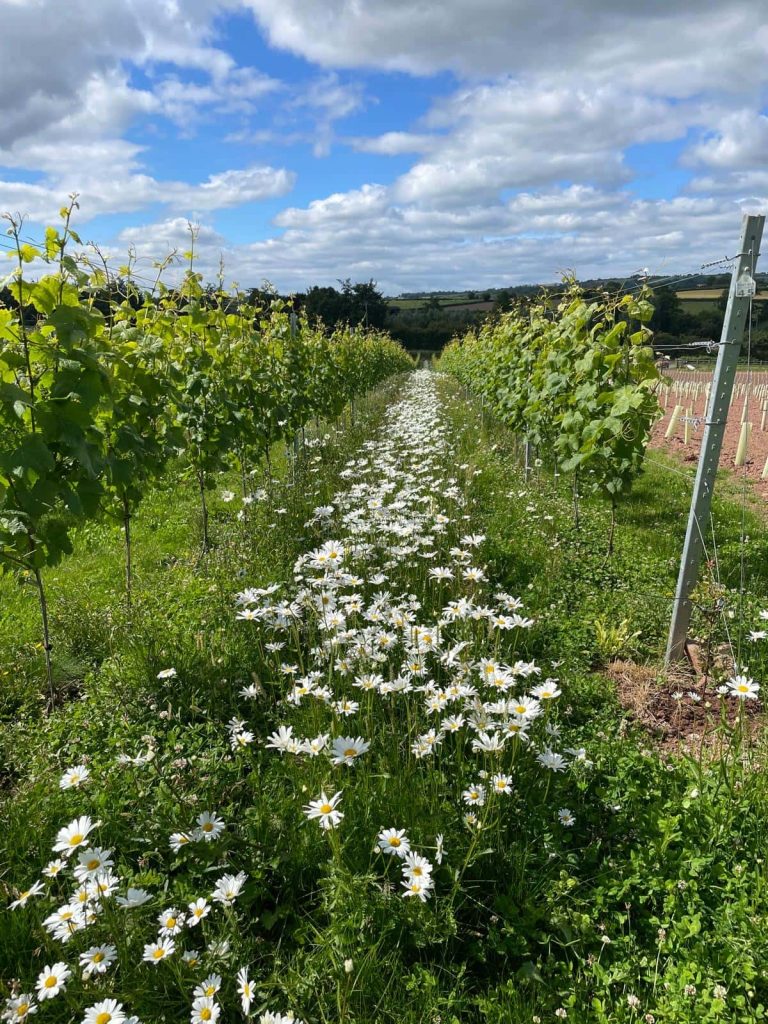
Their range includes still white, rosé, and Pinot Noir wines as their main focus, with a gin made from Pinot Noir, a semi-sparkling Col Fondo, and an eagerly awaited traditional method sparkling rosé launching soon. Keep an eye on The Dell Vineyard’s website for updates and release details—you won’t want to miss it.
The Dell Vineyard is proudly situated between the Wye and Usk Valleys, near Raglan Castle—its silhouette on the vineyard’s logo a nod to the region’s historic ties to wine. In the 15th century, William Herbert, Earl of Pembroke, built the castle with wealth from the Bordeaux wine trade. Welsh poetry from that era praises his lavish feasts and imported wines, proving that Wales’ love of wine is anything but new.
Wales is a cool climate wine region, with growing seasons from April to October and mean temperatures below 16°C. Maritime influences make the weather unpredictable—late frosts, hail, and rain are frequent threats. Yet, these conditions foster wines that are elegant, fresh, and aromatic. The slow ripening period enhances flavour and aroma, while seasonal rainfall reduces the need for irrigation, although humidity increases disease risk.
Good site selection is essential. South-facing slopes maximise sunlight, and surrounding features like hills and rivers influence temperature and airflow. The Dell’s setting is ideal—its natural landscape and heritage make it uniquely suited to producing exceptional cool climate wines.
Wales is becoming known for its experimental approach, with a strong emphasis on disease-resistant hybrid grapes. These hybrids require fewer chemical treatments, making them environmentally and economically sustainable. The Dell Vineyard reflects this perfectly:
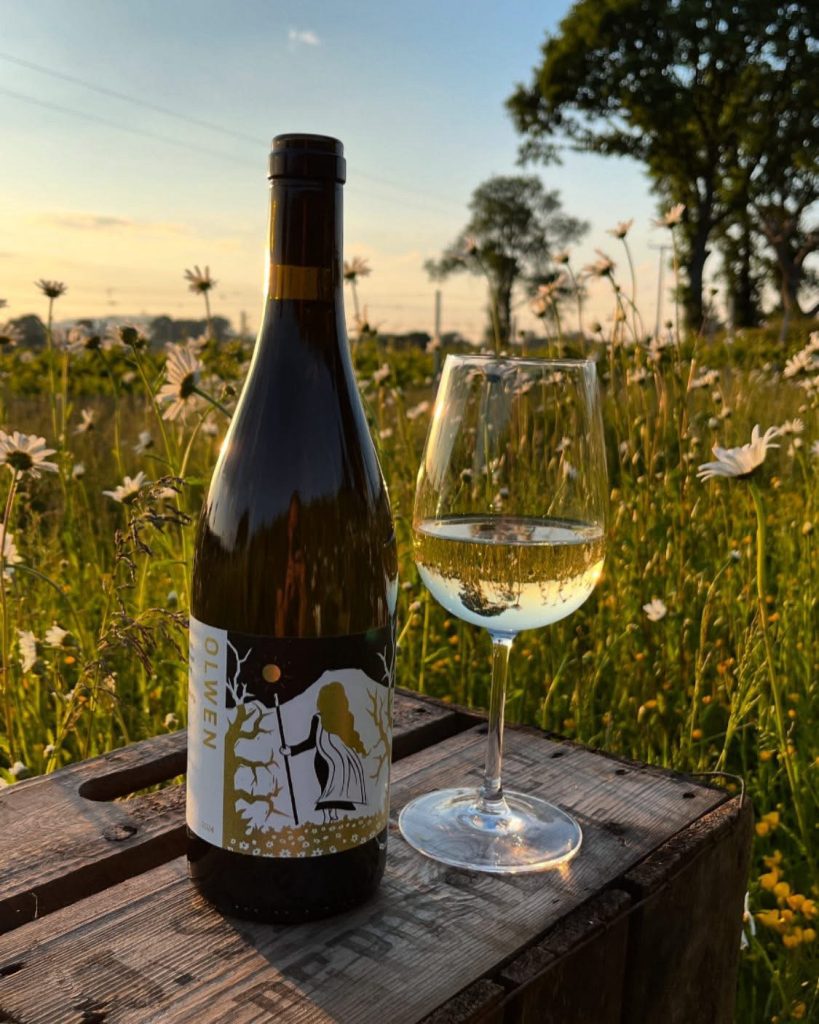
Named after the Welsh goddess of the sun, legend says that wherever she walked, white flowers would bloom in her wake.
Crafted from our first harvest of Solaris grapes, fermented and aged in oak barrels, this wine reveals a rich, balanced character with bright floral notes and a gentle oak finish.
This diverse planting strategy reflects a broader trend across Welsh vineyards: adaptability and an eagerness to create wines that are distinctly of this place.
Sustainability is not a buzzword—it’s a core principle for Welsh vineyards like The Dell. Hybrids reduce chemical use, while others, like Hebron Vineyard, are also exploring regenerative approaches that further push the boundaries of biodiversity and synergy with the land. As the UK’s first regenerative vineyard, Hebron uses no pesticides, fungicides or fertilisers, and focuses on enhancing biodiversity through hedgerows, wild vines, natural trellising, and manual vine care. Their innovative methods aim for a “pure expression of place.”
Low-alcohol wines are another growing trend. Hebron’s 6% Rondo Rosado is leading the way, demonstrating that lighter wines can pair beautifully with bold food flavours, offering broader flavour bandwidth without overwhelming the palate. Sommeliers are embracing these wines, showcasing their versatility in fine dining.
In 2022, Wales launched its first national wine strategy, aiming to grow the sector’s value tenfold to £100 million by 2035. With over 30 vineyards and rising international recognition, the industry is set for rapid growth.
Key strategic pillars include:
Wales is often compared to New Zealand, another cool climate producer that rose to global acclaim within a few decades. With a shared emphasis on quality, sustainability, and storytelling, Welsh wine is poised to follow a similar path.
Climate change has helped UK vineyards ripen grapes more consistently, opening doors for still wines and a wider variety of grapes. However, it also brings instability: extreme weather, pests, and shifting suitability for grape types. Long-term planning is vital—vineyards must choose rootstocks, varieties, and locations with future climate scenarios in mind.
There’s also a risk of “adaptation lock-in,” where early infrastructure and regulations limit flexibility. For example, some Protected Designation of Origin (PDO) rules restrict grape types or vineyard locations, which could hinder climate adaptation.
The Dell Vineyard and other young Welsh vineyards are better positioned to avoid this. Their youth is an asset, allowing flexibility and innovation without the burden of entrenched practices.
Welsh vineyards are embracing a spirit of experimentation. Ancre Hill is successfully growing Albariño, inspired by climate parallels with Galicia. White Castle is trialling Cabernet Franc. Across Wales, vineyards are testing boundaries and defying convention.
As Lucy and Dan Alford’s journey shows, Welsh wine is not just a trend—it’s a growing movement grounded in history, innovation, and resilience. The Dell Vineyard stands as a beacon of what is possible when passion meets place.
So next time you’re choosing a bottle, consider Welsh wine. Better yet, plan a visit to The Dell Vineyard. In every glass, you’re tasting not just a wine, but a story—of heritage, hope, and the pioneering spirit of Wales’ green valleys.
The Dell Vineyard
Clytha Road, Raglan, Monmouthshire NP152AA
Visit Their Website: https://thedellvineyard.co.uk/