WalesLink.com
Connecting the World to Wales
WalesLink.com
Connecting the World to Wales

WalesLink.com
Connecting the World to Wales
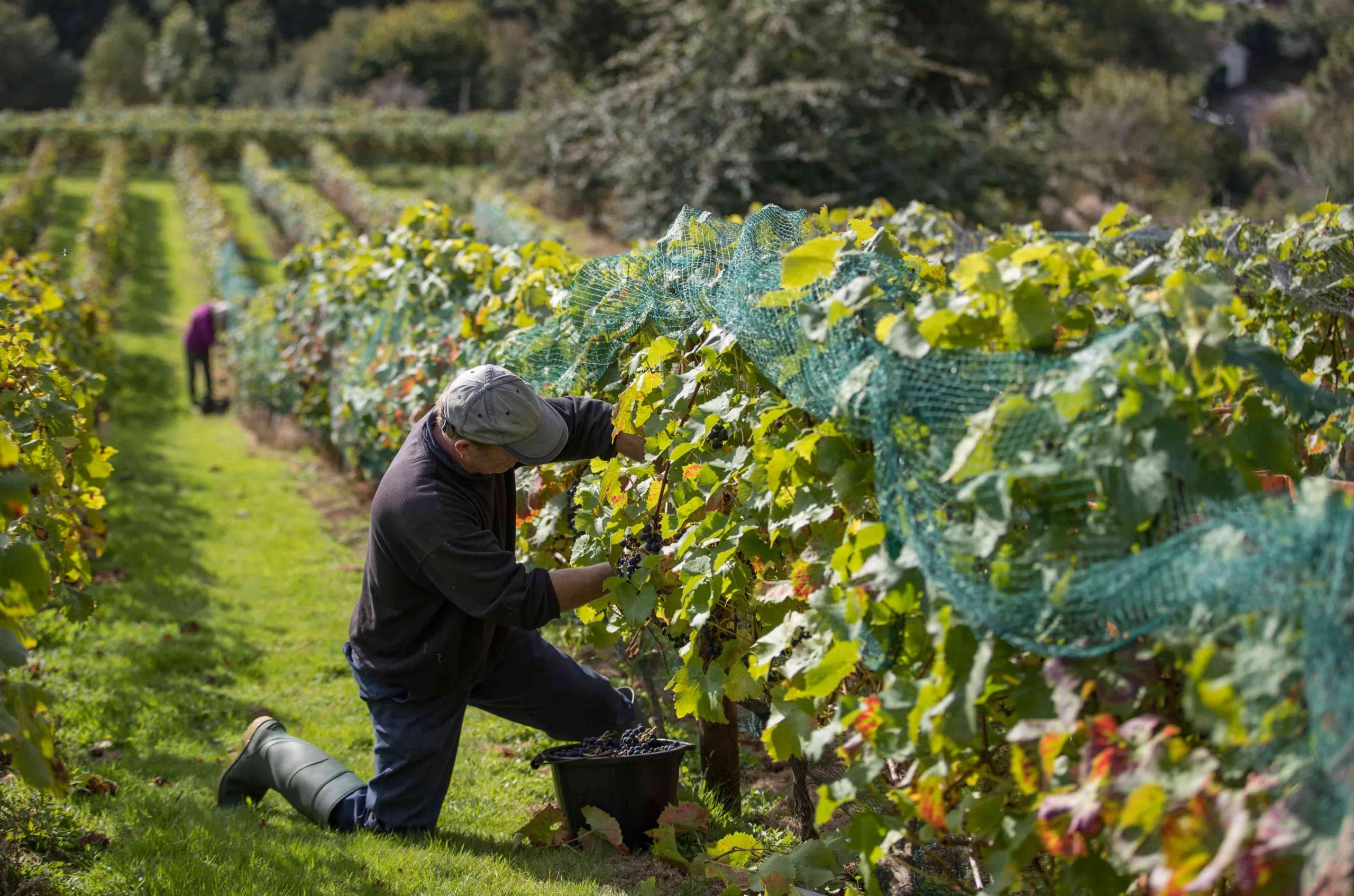
Nestled on the Welsh side of the meandering River Wye, where the ancient Tintern Abbey whispers tales of centuries past, lies a testament to vision, hard work, and the remarkable spirit of Welsh viticulture: Parva Farm Vineyard. More than just a vineyard, it’s a living bridge between Wales’s rich history and its modern wine story—a story of revival, dedication, and the profound resilience required to farm in Wales today.
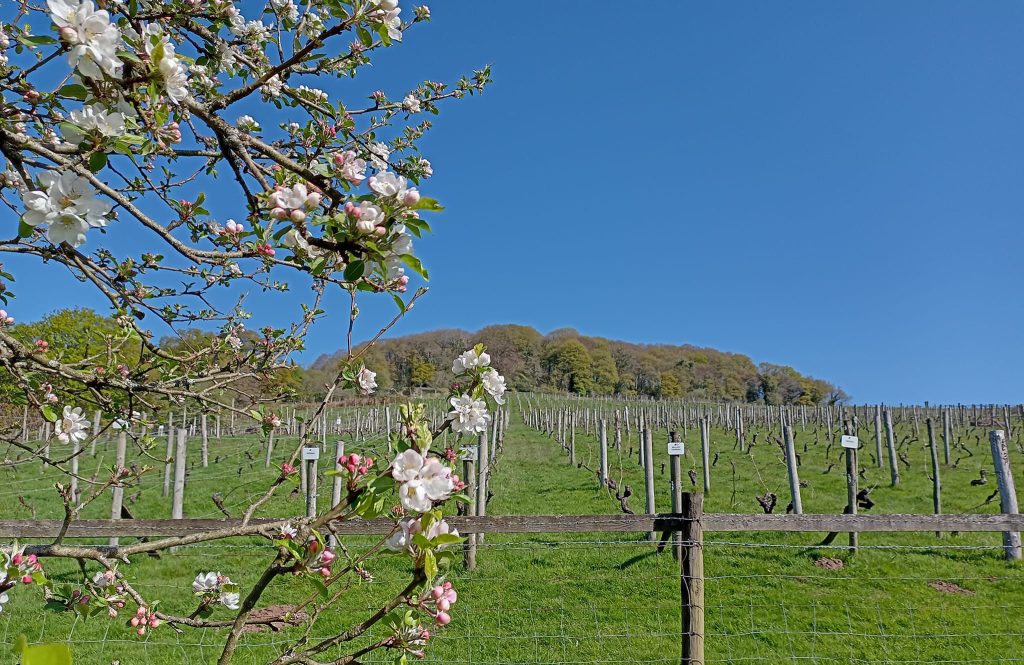
Imagine the gentle, south-facing slopes of a Welsh hillside, bathed in sunlight and perfectly positioned to nurture life. It is here, at the very site of Parva Farm vineyard, that history and viticulture are inextricably linked. There’s a compelling belief that wine was produced in this area as long ago as Roman times, a theory supported by intriguing evidence on the farm. It’s easy to picture the scene: monks from the nearby Tintern Abbey, known for their agricultural skill, tending to vines on these same sun-drenched slopes.
The modern vineyard was first planted in 1979, but by the mid-1990s, it had fallen into neglect, yearning for a new beginning.
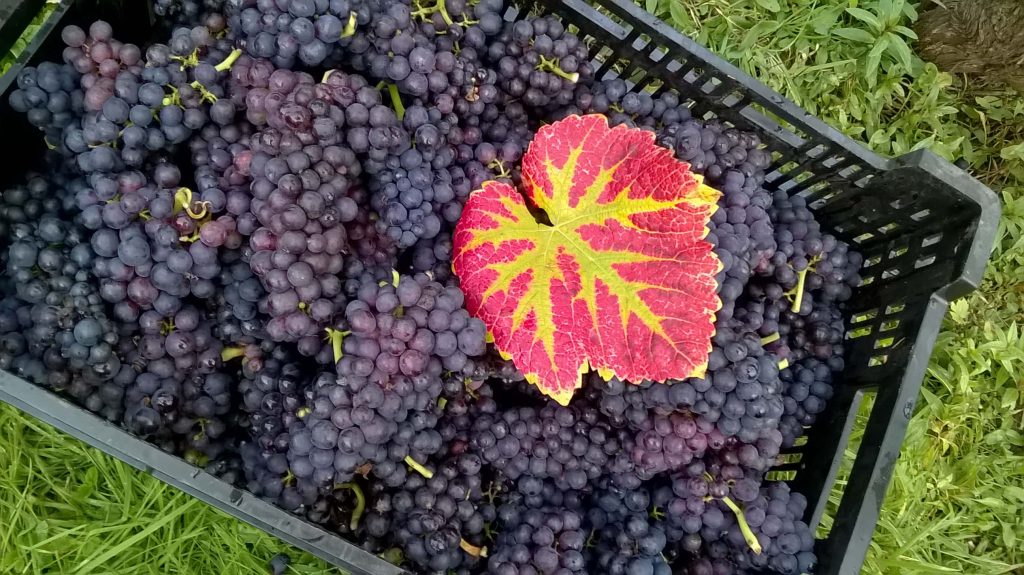
In 1996, Colin and Judith Dudley purchased the farm, taking on the monumental task of reviving the neglected vines. What followed was a true labour of love. Over a demanding four-year period, the vineyard was tirelessly pruned, cleared, and re-staked. Their dedication paid off, culminating in their first good crop in 2001. The success of Parva Farm Vineyard today speaks volumes about the sheer hard work they poured into this remarkable renovation.
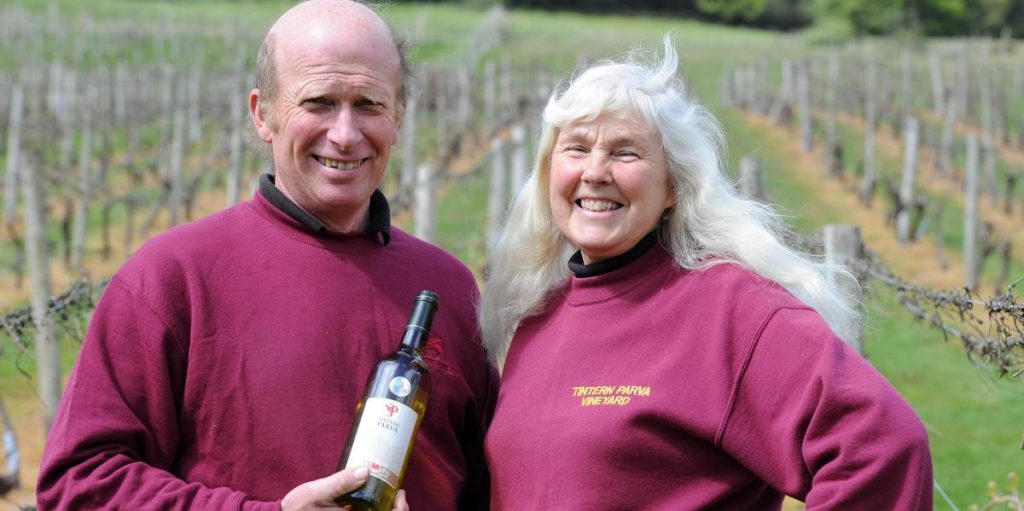
For nearly two decades, Colin and Judith’s hard work produced a range of exceptional wines that earned both national and international acclaim, helping to put Welsh wine on the map.
They became particularly famous for their Bacchus, a crisp and aromatic white that won numerous awards in prestigious competitions like the Decanter World Wine Awards and the International Wine Challenge. In a landmark achievement, they also supplied their Bacchus to Marks & Spencer for three years, making it the first (and possibly only) Welsh wine to be sold by the iconic retailer.
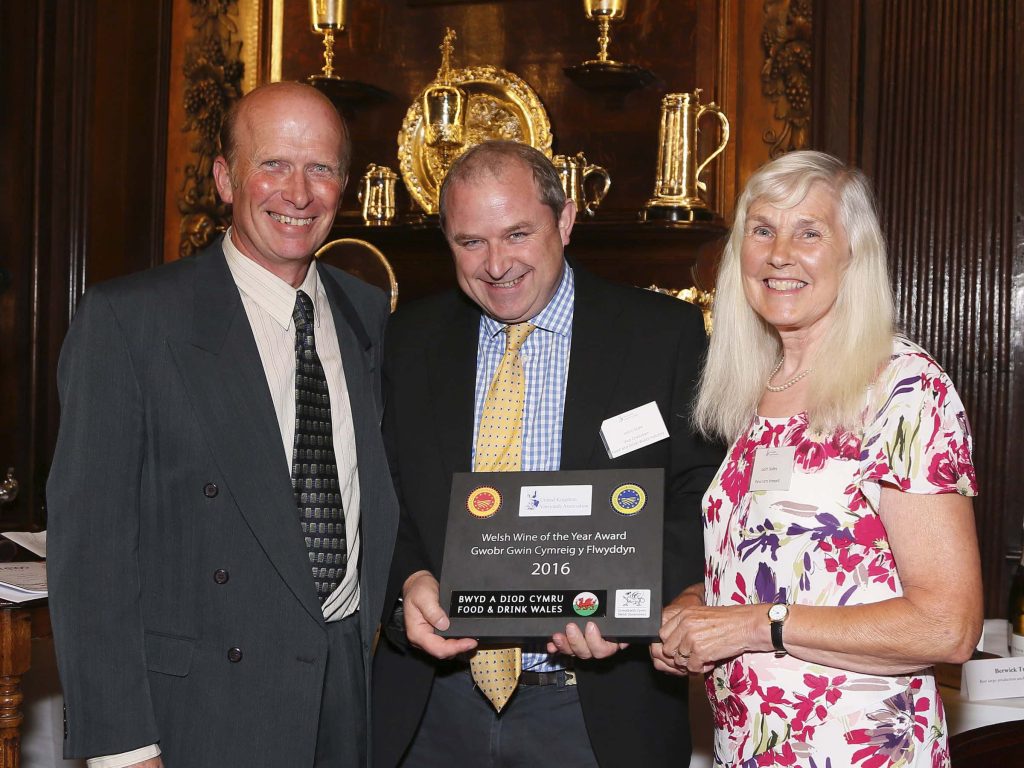
Their sparkling wines also achieved significant success. Their Dathliad Sparkling Brut was crowned “Best Welsh Wine” at the 2016 English and Welsh Wine of the Year competition, a testament to their skill and the quality of their Welsh-rooted production.
In 2019, after a period of illness, Colin and Judith made the difficult decision to lease the vineyard out. The 2019 crop, which produced their Gold-medal Bacchus, was the last from which they made their own wine.
After the lease ended, they took the vineyard back in July 2024, only to find it in very poor condition. This story is a poignant reflection of the immense pressures facing so many in Welsh agriculture today. It’s a world where personal health, unpredictable weather, and the sheer physical toll of working the land can change everything in a season. With Colin unwell, the vines were left until this year.
But in the spring of 2025, in an act of pure resilience, a new revival began. Judith pruned the vines while Colin cut the grass and replaced fallen stakes. “Surprisingly,” Judith notes, “the vines responded well and most of them have a reasonable crop so far.”
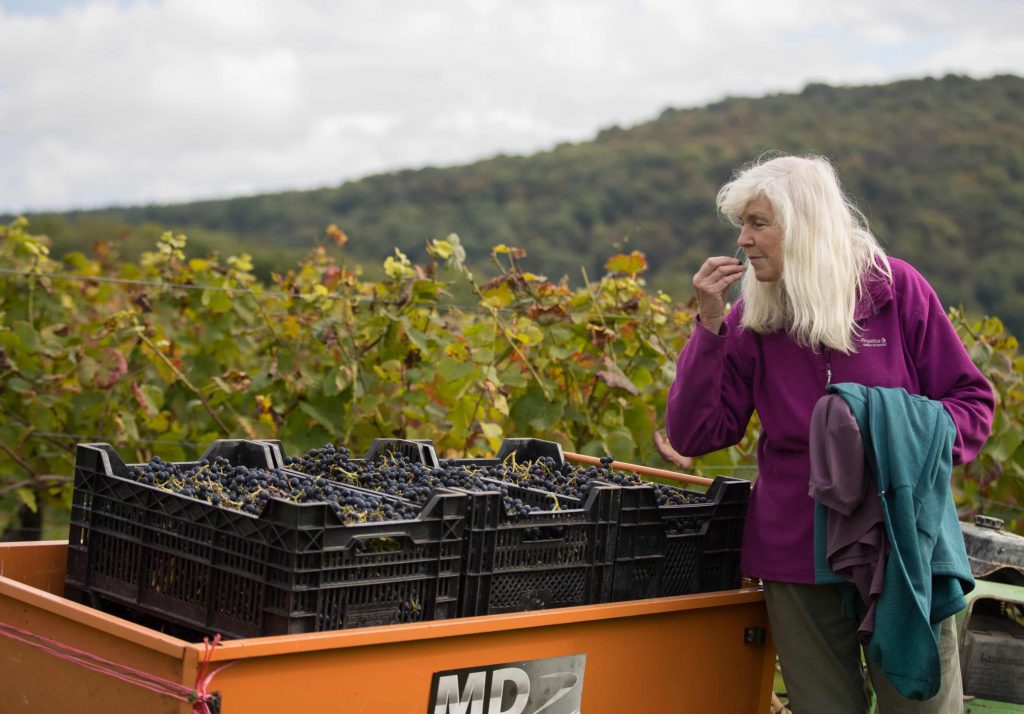
Their plan now is to sell the grapes they produce to other Welsh vineyards. This means there will be no more wine with the famous Tintern Parva label, but the legacy of these historic vines will live on in the bottles of other Welsh producers, a testament to the interconnectedness of the rural community.
While they are no longer producing their own wine for sale, Parva Farm Vineyard remains a wonderful place to visit.
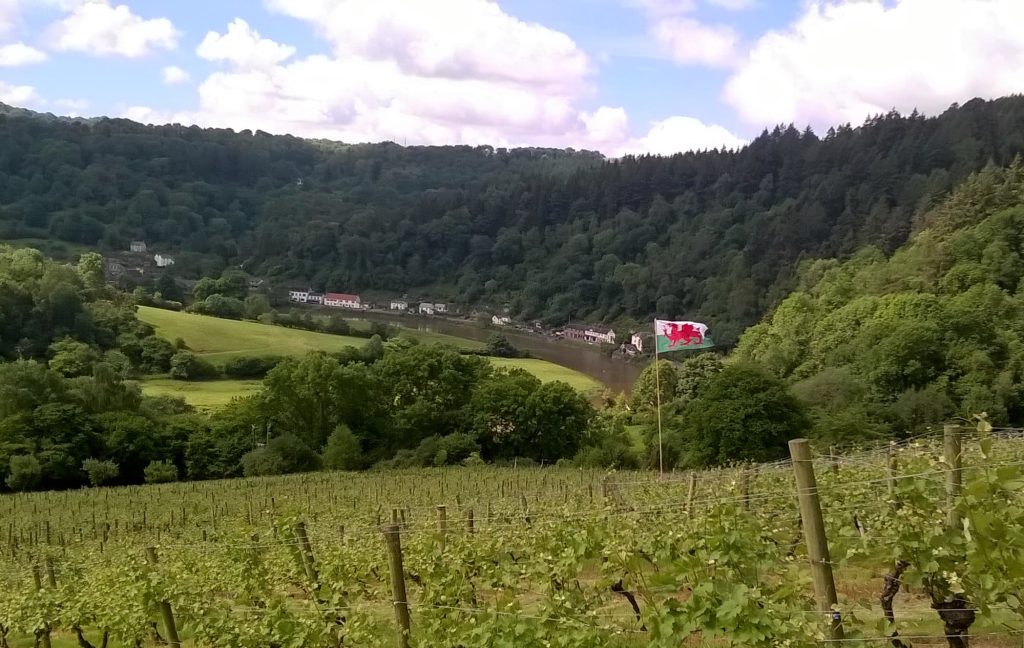
Colin and Judith hope to one day lease the vineyard out again to someone who “appreciates the age of the vines and cares for them accordingly.” As Judith says, “It would be sad to lose such a local treasure.”
This sentiment echoes a deep concern felt across rural Wales. These small, family-run enterprises are not just businesses; they are the custodians of our landscape and our heritage. Their survival is a testament to a passion that goes far beyond balance sheets. The story of Parva Farm Vineyard is a powerful and honest narrative of that passion, perseverance, and profound respect for the land. It’s a reminder that even in the face of immense challenges, the spirit of Welsh enterprise endures.
We would like to extend our sincere thanks to Judith for her invaluable help in making this article accurate and for sharing her family’s ongoing story. We wish both her and Colin all the very best for the future and for the continued revival of this very special Welsh vineyard.